
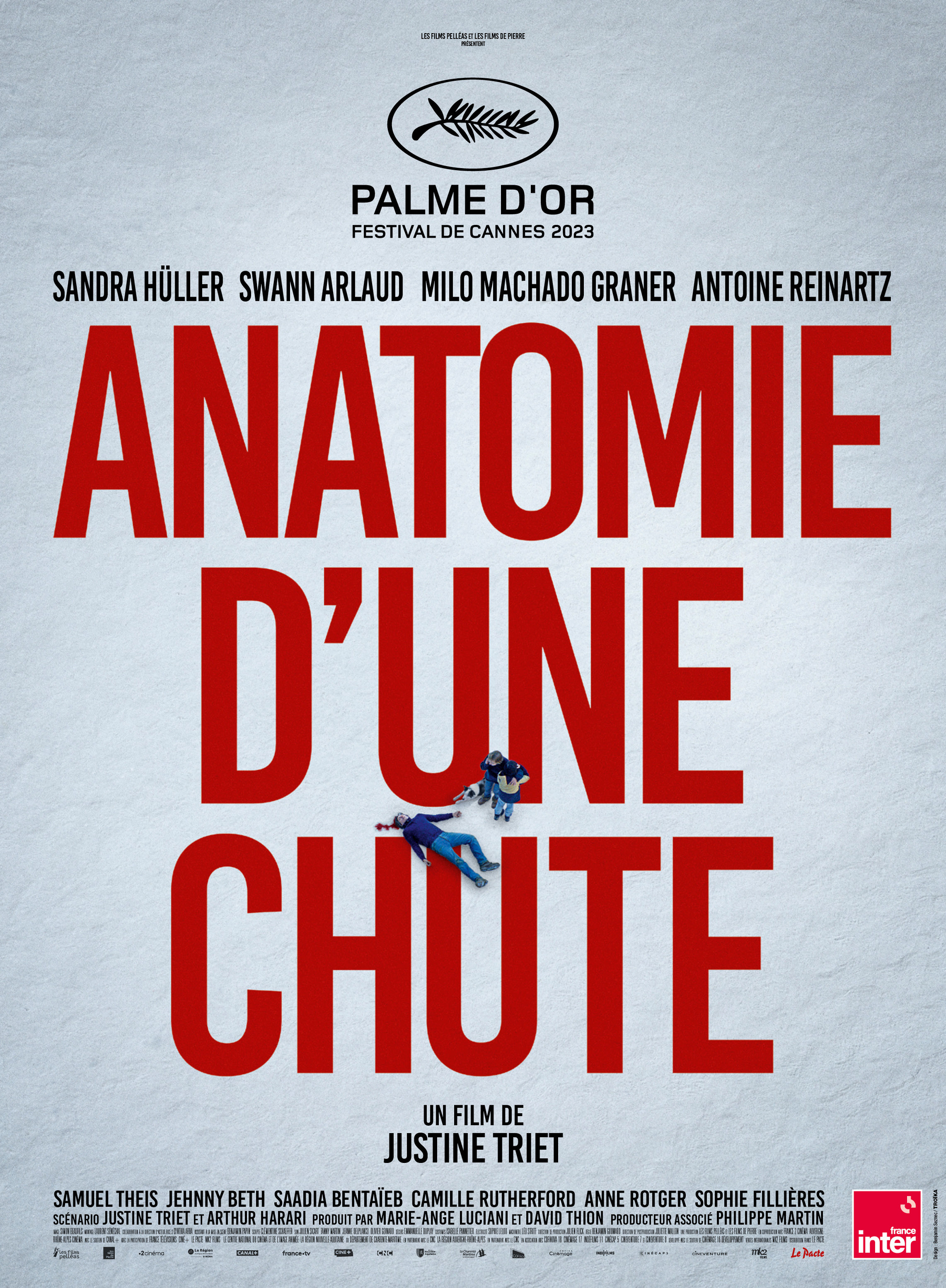
Anatomy of a fall / Anatomie d'une chute
151 minutes is long. Especially for a movie with little action. But it enraptures you until the last scene, and you don’t see the time go by.
The movie is about a literal fall: a man Samuel falls to his death, and is found by his blind son in the snow outside his chalet in the mountains. Was it an accident, a suicide, or did someone push him?
And a figurative fall: when the trial of his death explores the nature of his marriage with Sandra as she becomes a key suspect in the case. Many themes come up – of guilt, career and success, infidelity, imbalance in the relationship, but of course love and intellectual connection. It’s messy - and that’s what we identify with and draws us in.
Sandra Hüller is incredible.
This Guardian review summarizes quite well how I feel following the movie: www.theguardian.com/film/2023…
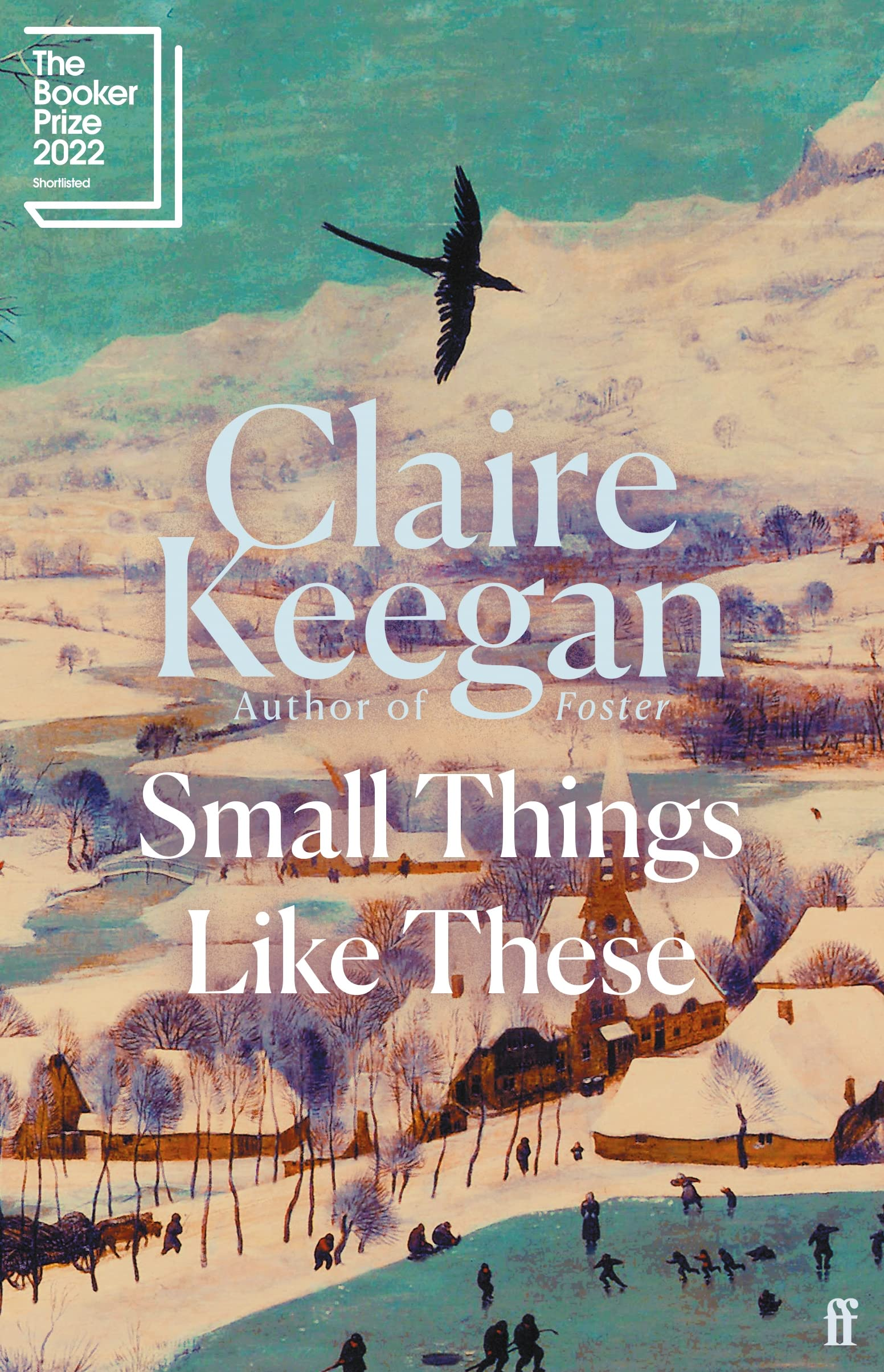
Small Things like These by Claire Keegan
Simple. Beautiful. Sad. Hopeful. Poetic.
These are the words that come to mind after reading Small Things like These. Doesn’t that summarize many an Irish work of art?
This beautiful historical fiction novella (110 pages, reads in less than an hour) tells about Bill Furlong, a coal merchant in Ireland in 1985, who at Christmas time, faces a moral challenge when discovering the mistreatment of women in a Magdalene laundry.
It leaves you with a personal affliction about turning a blind eye. And a desire to listen to Glen Hansard and plunge more into Irish art.
The Dresden Dolls in Paris
I almost didn’t make it to this show. I was in Paris for a crazy week of work, hadn’t slept well in days, saw online that the show was sold out - so I took the 20-minute stroll from my hotel to the Elysée Montmartre to see if there were any last-minute tickets, but secretly hoping and expecting that there were none, so I could just have a nice noodle dish and then go cuddle in my bed.
Lo and behold, there were last-minute tickets available. So I got one. I pushed away my dreams of an early bedtime and walked up the stairs and swung open the doors to this legendary venue.
The show was electric. Punk cabaret by nature is theatrical and entertaining. (I refer to punk cabaret as if I am an expert, the Dresden Dolls are in fact the only punk cabaret band I know)
And the live version gives a whole new dimension that we don’t have just by listening - the makeup, the attire, the physical movement on stage - though piano and drums are difficult instruments to “move around” with.
What makes the Dresden Dolls live show particularly special are Amanda Palmer’s in-between-song anecdotes. She is a poet and an actress. She knows how to captivate an audience with words. And she does. Even recounting a grim scene from the movie Titanic which she unabashedly loves and inspired one of her new songs.
The concert definitely inspired me. Opened some chakras. And made me want to SING.
I got back to the hotel and I still couldn’t shake however, the controversy of her ex-husband Neil Gaiman and the countless women he assaulted, and Amanda Palmer’s connection to all that. There is a very thorough investigative piece in the New York Magazine and Vulture from 2025 that describes the panoply of events, that I re-read in the early hours of insomnia. Neil Gaiman is clearly a scumbag. He is still denying that he ever had non-consensual sex. And calling it all a smear campaign. Fucking wake up. You had power over these women, they did not want to sleep with you!
But Amanda Palmer’s involvement is much greyer. She is accused of knowingly putting women in danger by introducing them to Neil Gaiman. And turning a blind eye.
She probably definitely could have done things differently to protect these women. With the nanny in New Zealand, she did warn her ex-husband about the vulnerability of the woman and making sure he did not try anything with her. And in retrospect, “warning him” clearly was not enough.
But are we “burning the wrong witch”? We definitely can’t put the two on the same level field, Neil and Amanda.
It’s murky. I’m still trying to work it out. I’m open for discussion.

The Morning Show
I watched the first season of the Morning Show several weeks ago. And I think I will stop there. That is my recent strategy with many series where I missed the boat, want to get the vibe, but don’t feel I need to watch all 23984 seasons. Yes yes, I am overwhelmed by all the content that exists in the world. And a lot of it is good. Really good. But just too much. I also took this “one season” approach with Suits, Gossip Girl and Girls.
Anyway, I really enjoyed the Morning Show. Both Reese Witherspoon and Jennifer Aniston are excellent. The show depicts the juxtaposition of glamour and loneliness of working in this sort of live entertainment environment in a sharp, snappy way.
But what really impressed me, literally leaving a lasting impression on me, was the portrayal of power dynamics and harassment. One scene in particular comes to mind – where Steve Carrell’s character Mitch invites the junior talent booker Hannah (played by Gugu Mbatha-Raw) to his hotel room and they have sex. From his point of view, it is completely consensual, natural sex. From her point of view, it is “shit how did I end up here? I don’t know what to do, this powerful man who can influence my career is encroaching on me, and I just freeze… and go with it” not-so-consensual sex.
It was subtle.
And in one respect, you can understand and empathize with both points of view.
But from another, especially when you account for the power imbalance, you simply can not.

DO Look Up : Une petite balade parmi les arbres majestueux du parc Oberthür
Cet article est conçu comme une promenade de 20 minutes dans le superbe parc Oberthür, pour admirer quelques-uns de ses arbres majestueux et découvrir leurs particularités. Je me concentre sur cinq arbres, ce qui est largement insuffisant, étant donné l’incroyable diversité de la flore qui compose ce parc exceptionnel.
Avant de déménager à Rennes en 2023, j’ai regardé Google Maps et remarqué un petit parc à côté de notre future maison. Quand nous sommes arrivés dans la ville, j’ai découvert que ce « parc du quartier » était en réalité une oasis de beauté, de sérénité et de verdure, avec des arbres colossaux et impressionnants. Beaucoup de Rennais ne connaissent même pas le parc Oberthür, alors chut… c’est notre petit secret !
Quelques mots sur le parc
À l’origine, le parc était le jardin privé de François-Charles Oberthür, propriétaire d’une imprimerie, célèbre en France pour ses articles de papeterie illustrés et pour avoir fabriqué les calendriers annuels de La Poste. En 1863, Oberthür fait appel au paysagiste Denis Bühler (qui concevra plus tard le célèbre et impressionnant parc du Thabor à Rennes) pour aménager son jardin privé. Bühler transforme le paysage en y plantant une grande variété d’arbres locaux et exotiques — le parc compte aujourd’hui 375 arbres remarquables venus du monde entier.
Près d’un siècle plus tard, en 1960, la ville de Rennes devient propriétaire du parc et l’ouvre au public en 1977. Merci Oberthür (et à sa femme Marie Hamelin — le parc s’appelle officiellement Parc Hamelin Oberthür) et merci à la ville de Rennes !

Les étoiles orange sur la carte indiquent les arbres que nous allons découvrir.
Les séquoias géants
Commençons à l’entrée est du parc, juste à côté de l’aire de jeux, pour découvrir les quatre imposants séquoias géants (n° 5 sur la carte).
Bien sûr, c’est la première chose qui m’a surprise quand j’ai découvert le parc Oberthür : mais comment se fait-il qu’il y ait des séquoias à Rennes ?
Les séquoias géants (Sequoiadendron giganteum) sont les arbres les plus grands et les plus vieux de la planète. Originaires des montagnes de la Sierra Nevada en Californie (pensez à Yosemite), ils peuvent vivre plus de 3 000 ans et atteindre plus de 90 mètres de haut — soit environ la hauteur d’un immeuble de 25 étages.
Mais comment ces arbres colossaux originaires de Californie ont-ils fini par se retrouver un peu partout en Europe ? En grande partie grâce à des personnes comme Oberthür et Bühler : les séquoias ont été introduits en Europe au XIXe siècle et plantés principalement dans des parcs et de grandes propriétés pour leur apparence impressionnante.

Le cyprès chauve
Maintenant, passez devant nos quatre gentils géants et dirigez-vous vers l’étang au milieu du parc pour découvrir le prochain arbre de cette promenade : le cyprès chauve (n° 1 sur la carte). Ce qui m’a le plus frappée chez cet arbre, au-delà de sa taille, ce sont les petites excroissances de racines en forme de lutins à son pied. Vraiment étrange !
Comme ses voisins du parc, le cyprès chauve (Taxodium distichum) est originaire des États-Unis.
Peut-être qu’en tant qu’Américaine, je suis naturellement attirée par les arbres de mon pays ? 😄
Mais contrairement aux séquoias, le cyprès chauve vient des zones humides du sud-est des États-Unis. Il est notamment connu pour sa capacité étonnante à pousser dans l’eau et pour développer ces « genoux » caractéristiques (ce que moi j’appelle les « petits lutins »).
Mais pourquoi l’appelle-t-on un cyprès « chauve » ? Contrairement à la plupart des cyprès, cette variété est caduque : elle perd donc ses aiguilles souples à l’automne, laissant ses branches « chauves » pendant tout l’hiver.


Juste pour clarifier les termes conifère / feuillu et persistant / caduc :
- Conifères : arbres qui produisent des cônes
- Feuillus : arbres qui produisent des fleurs
Chacun des deux peut être :
- Persistant : garde ses feuilles toute l’année
- Caduc : perd ses feuilles chaque année
La plupart des conifères sont persistants (comme les séquoias, mais aussi les pins, sapins, cèdres…), et la plupart des feuillus sont caducs (chênes, érables…).
Mais il existe des exceptions, comme le cyprès chauve, qui est un conifère caduc.
Le cèdre de l’Atlas bleu et le cèdre du Liban
Passons maintenant aux cèdres. Nous avons un cèdre de l’Atlas bleu et un cèdre du Liban, côte à côte (n° 2 et 4 sur la carte). On dirait presque qu’ils sont en train de discuter. Et qu’est-ce qu’ils sont majestueux ! Mais vu leur taille et leur âge (80 à 100 ans), ces géants endormis nécessitent une surveillance attentive et un entretien régulier.
Le cèdre de l’Atlas (Cedrus atlantica) est originaire d’Afrique du Nord et développe de longues branches qui s’étendent largement, jusqu’à devenir presque aussi large que haut. C’est clairement le cas du spécimen du parc Oberthür. Appréciée pour sa robustesse et sa silhouette élégante, sa variété aux feuilles bleutées (Cedrus atlantica ‘Glauca’) est très appréciée comme arbre ornemental dans les parcs européens.
Le cèdre du Liban (Cedrus libani) est un conifère persistant emblématique, originaire des montagnes du Liban et de la région méditerranéenne. C’est l’emblème national du Liban, représenté sur le drapeau libanais. Cet arbre majestueux peut atteindre 40 mètres de haut et vivre plus de 1 000 ans. Il est notamment reconnaissable à ses branches étalées et horizontales, ainsi qu’à son bois parfumé et durable.

Le chêne à feuilles de saule
Pour finir, last but not least, découvrons un arbre un peu moins imposant, mais tout aussi impressionnant : le chêne à feuilles de saule (n° 15 sur la carte).
J’adore les saules. Je passe souvent en courant devant cet arbre et, à chaque fois, une sensation de sérénité m’envahit.
Mais attention : le chêne à feuilles de saule n’est pas vraiment un saule !
Le chêne à feuilles de saule (Quercus phellos) est un chêne originaire du sud-est des États-Unis (encore un !). Il doit son nom à ses feuilles longues et étroites et à ses branches retombantes, qui ressemblent à celles d’un saule. Le chêne à feuilles de saule change de couleur à l’automne — je peux le confirmer pour celui du parc Oberthür — ce qui en fait un spectacle qui se transforme et nous émerveille tout au long de l’année.

Et voilà ! C’est la fin de cette première promenade à la découverte de quelques-uns des arbres majestueux de cet incroyable parc. J’espère que vous avez apprécié. Prenez le temps de profiter de la richesse et de la beauté de ces arbres extraordinaires.
Et surtout, n’oubliez pas de… lever les yeux.
–
Envie d’en savoir plus ?
DO Look Up: A short tour of the magnificent trees in the Parc Oberthür (Rennes)
This article is designed to be a 20-minute guided walk through the magical Parc Oberthür to admire and learn about some of its majestic trees. I focus on five trees in this article which is largely insufficient given the incredibly diverse flora that makes up this beautiful park.
Before moving to Rennes in 2023, I looked at Google Maps and noticed that there was a small park near our future house. When we actually moved to the city, I discovered that this “neighborhood park” was in fact a hidden luscious gem of beauty, solace and greenery - with impressive colossal trees. Many “Rennais” don’t even know about the Parc Oberthür, so shh, it’s our little secret!
A very brief introduction to the park
The park was originally the private garden of François-Charles Oberthür, the owner of a printing press, famous in France for its design stationary and manufacturing La Poste’s annual calendars. In 1863, Oberthür commissioned the landscaper Denis Bühler (who later designed the well-know impressive Thabor park in Rennes) to design his private garden. Bühler transformed the landscape by populating the garden with a rich variety of local and exotic trees — the park is now composed of 375 remarkable trees from around the world.
Almost a decade later in 1960, the city of Rennes took ownership of the park and opened it to the public in 1977. Thank you Oberthür (and his wife Marie Hamelin — the park is officially called Le Parc Hamelin Oberthür) and the city of Rennes!
The orange stars on the map indicate the trees we will be visiting.
The Giants Sequoias
Let’s start at the east entrance of the park, right next to the playground to visit the four imposing Giant Sequoias (#5 of the map).
Of course, this was the first thing that surprised me when I discovered the Parc Oberthür: how in the world are there Sequoia trees in Rennes?
Giant Sequoias (Sequoiadendron giganteum) are the largest and oldest trees on Earth. Native to the Sierra Nevada mountains of California (think Yosemite), they can live for more than 3,000 years and reach over 90 metres in height (approximately the height of a 25-story building).
How did these colossal Californian trees end up across the world in Europe? Pretty much through people like Oberthür and Bühler: the trees were introduced to Europe in the 19th century and planted mainly in parks and large estates because of their impressive appearance.
The Bald Cypress
Now, walk past our four friendly giants towards the pond in the middle of the park to meet the next tree of this tour: The Bald Cypress (#1 on the map). What struck me the most about this tree beyond its size, were the little gnome-like root projections at the foot of the tree. So strange!
Like its park neighbors, the Bald Cypress (Taxodium distichum) is native to the United States.
Maybe as an American I am attracted to my compatriot trees?
However unlike the Sequoias, the Bald Cypress comes from the wetlands of the Southeastern states. It is famous for its unusual ability to grow in water and to develop these distinctive “knees” (what I call the “gnomes”).
Why is it called a “bald” cypress? Unlike most cypress trees, this variety is deciduous and thus sheds its soft needles in the autumn leaving its branches “bald” throughout the winter.
Just to clarify the terms conifer/broadleaf and evergreen/deciduous:
- Conifers: cone-bearing trees
- Broadleaf: flowering trees
Each of these can be either:
- Evergreen: keeps leaves year-round
- Deciduous: lose leaves each years
Most conifers are evergreen (like sequoias but also pin, fir, cedar…), and most broadleaf trees are deciduous (oak, maple…).
But there are exceptions like the Bald Cypress which is a Deciduous Conifer.
The Blue Atlas Cedar and the Cedar of Lebanon
Next up are the cedars. We have a Blue Atlas Cedar and a Cedar of Lebanon paired next to each other (#s 2 and 4 on the map). They almost look like they are conversing. And boy, are they majestic! However given their great size and age (80-100 years), these sleepy giants require close surveillance and regular maintenance.
The Atlas Cedar (Cedrus atlantica) is native to Northern Africa and grows long sprawling arms, becoming nearly as wide as it is tall. That is definitely true for the Oberthür specimen. Valued for its resilience and elegant form, its blue-leaved variety (Cedrus atlantica ‘Glauca’) is a favorite decorative tree in European parks.
The Cedar of Lebanon (Cedrus libani) is an iconic evergreen conifer native to the mountains of Lebanon and the mediterranean region. It is the national emblem of Lebanon, featured on the Lebanese flag. The majestic tree can reach 40 meters high and can live for more than 1,000 years and is known for its flat, spreading branches, and fragrant and durable wood.
The Willow Oak
Now last but not least, onto a slightly less-imposing but as awe-inspiring tree: the Willow Oak (#15 on the map). I love willow trees. And I often run by this tree and each time, a tingle of serenity seeps throughout my body.
But to be clear, the Willow Oak is not a true Willow Tree.
The Willow Oak (Quercus phellos) is an oak tree that is native to the southeastern United States (another one!). It is named for its unusual long, narrow leaves and drooping branches that resemble those of a willow. The Willow Oak changes colors in the autumn which I can attest to in Oberthür, making it a continuous evolving sight of wonder all year long.
Et voila ! This first instalment exploring and appreciating some of the majestic trees in this incredible park. I hope you enjoy. And soak in the richness and beautiful of these amazing trees.
Don’t forget to — look up.
–
Some further reading:
How Big Things Get Done
This captivating book by Bent Flyvbjerg and Dan Gardner explains how the majority of huge projects (buildings, road infrastructure, nuclear plants…) statistically run overtime and over budget. So what are the tools to avoid that? My two favroite takeaways:
- Think Slowly, Act Fast. (Think Slow during the Design/Planning phase, Act Fast during the Production phase)
- Think and build in “legos”.
The authors provide fun anecdotes about projects like the Empire State Building and the Guggenheim in Bilbao (and less successful like the California High Speed Rail and the Big Dig in Boston…).
Many of the ideas are consistent with Design Thinking principles: make sure you really understand the context/purpose of the project before moving forward.
And though Flyvbjerg’s process seems contradictory to Agile methods, they actually do resonate on the idea of “build and test and iterate” - but Flyvbjerg emphasizes to do this with prototypes during the planning phase, and not during production phase!
A fun read, and useful even for personal projects like home renovations. :) Thanks Sue for the suggestion.

How to Feed the World by Vaclav Smil
I was looking forward to reading this book – and while there were a few captivating chapters and I largely agreed with Vaclav Smil’s conclusion on “what we should do moving forward”, I found most parts of the book quite boring and provided too much unnecessary detail.

Smil’s conclusion - which is not super sexy as he states - is to prioritize two highly effective changes:
- Reduce food waste (which today represents 1/3 of food generated).
- Eat less meat in affluent countries.
YES and YES.
Here are some other points/graphs that I found interesting:
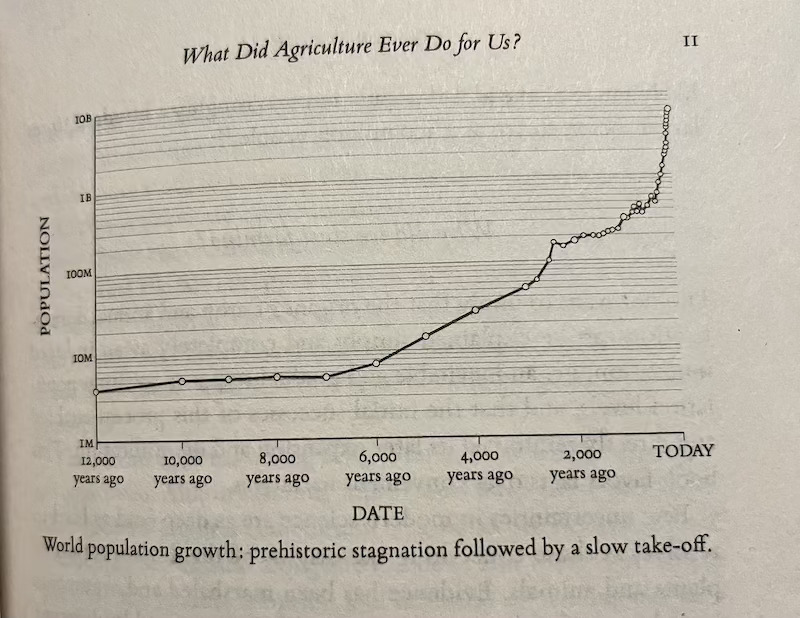
Population growth over time. It’s important to remind ourselves of some key population figures:
- Humans appeared on Earth 300,000 years ago.
- Approx. 100,000 years ago the human population was 100,000.
- 12,000 years ago, the human population grew to 2-4 million. This is also the start of domestication of plants and animals.
- 2,000 years ago, the population grew to 150-300m, and in the 19th century we hit 1 billion.
- Today we are at 8 billion. And the world population is estimated to peak at 10 billion in about 50 years.
We could not achieve this population growth without domestication.
-
Today in the world, there are 1.5 billion cattle, just under 1 billion pigs, and 33 billion chicken! Cattle were initially domesticated for muscle power, and then used as food. However, they are not nearly as energy efficient as pigs and chicken. And of course, they have the highest carbon footprint because of their burp-causing methane emissions. Interestingly enough, beef consumption has gone done over the past 50 years, and chicken consumption has increased significantly.
-
People in China and India were essentially vegetarian 50 years ago. That has changed drastically over the past 20 years.
Ok fine, there were some fascinating parts. And I might go back and refer to some of the data and graphs provided.
So go ahead and check it out - but just be warned that some parts will be better for treating insomnia than maintaining your attention.


Blades of Emotion
Not sure where to start. I’m tearing up already. I haven’t watched Olympics ice skating so intensely in over 25 years - not since the days of Oksana, Nancy, Michelle & Tara… but I watched it all this year. Even ice dancing which I used to avoid because I found it boring that they didn’t do jumps. But it is SO GOOD. And understanding the backstories of Piper & Paul, Madison & Evan and Laurence & Guillaume (thank you Glitter and Gold!) adds a whole new dimension to the experience.
A lot has changed - music with lyrics, backflips are allowed, the insane scoring system. It’s fun to follow these evolutions, and once you do start understanding the details, you get as heated as the commentators and start yelling at the TV as those little checked boxes turn yellow or red.
But above all, it’s the almost visceral emotional experience that come from watching these athletes – these athletes that achieve incredible physical feats - but also understanding that these athletes are human and dealing with much more than physical prowess. It’s hugely mental. And emotional. Stress and pressure.
But in all forms, whether they skate flawlessly or they lose their flow and make mistake after mistake, there is still so much beauty.
Because it is human.
Thank you to all the skaters for reminding us of the beauty of humanity. <3

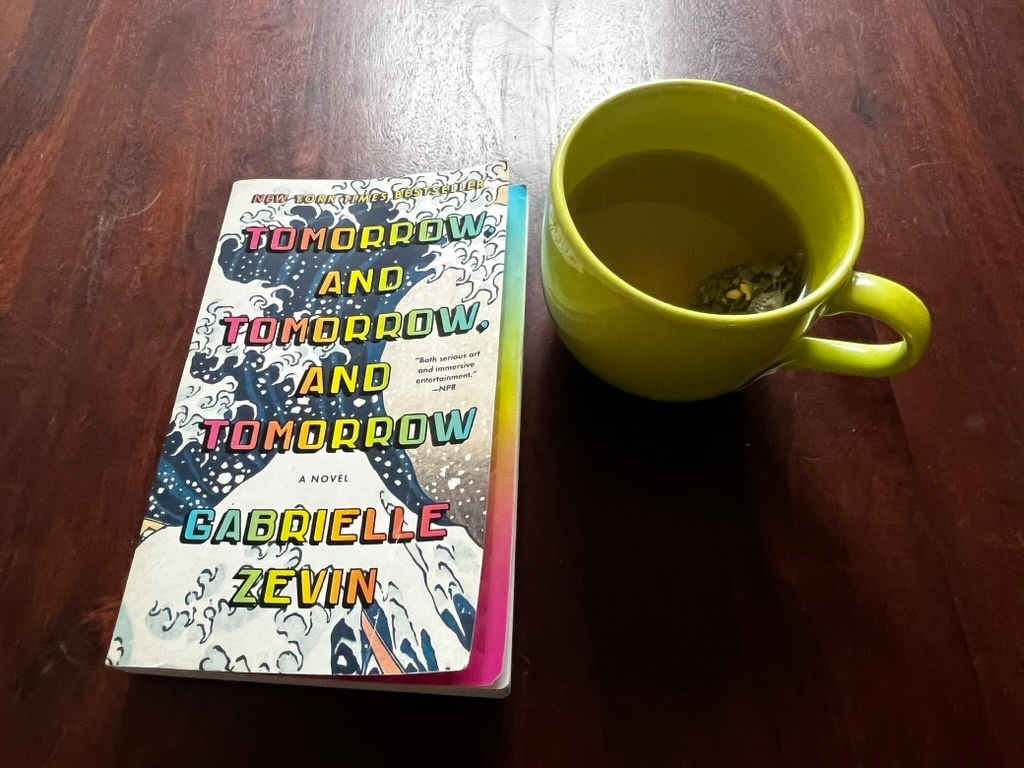
Tomorrow, and Tomorrow, and Tomorrow
With the book Tomorrow, and Tomorrow, and Tomorrow, Gabrielle Zevin brings us into the fascinating world of building video games. Zevin pulls back the curtain onto a universe that combines creativity, vulnerability and technical prowess – a universe that I realize I knew very little about. It reminded me of a board game festival I went to recently in Rennes – a festival with hundreds of game-makers and visitors coming from all over France. Another universe full of ferver and creativity and magic — one that I hardly realized existed…
The book is a fun read, the plot seems a bit contrived at times, but again, what I enjoyed the most was discovering the passion and creative process of video-game makers. And it’s also fun that a lot of the story takes place in Cambridge, MA – between MIT and Harvard, which strikes a personal chord. :)
CopyCat @Bar en Trans!
It was 10 days ago. But still pumped from seeing the cousin-duo-girl-band CopyCat last weekend at the Salle de la Cité as part of the Bar en Trans festival (part of the Transmusicales Festival in Rennes). Great energy, great vibe.
If you need a boost, have a listen.

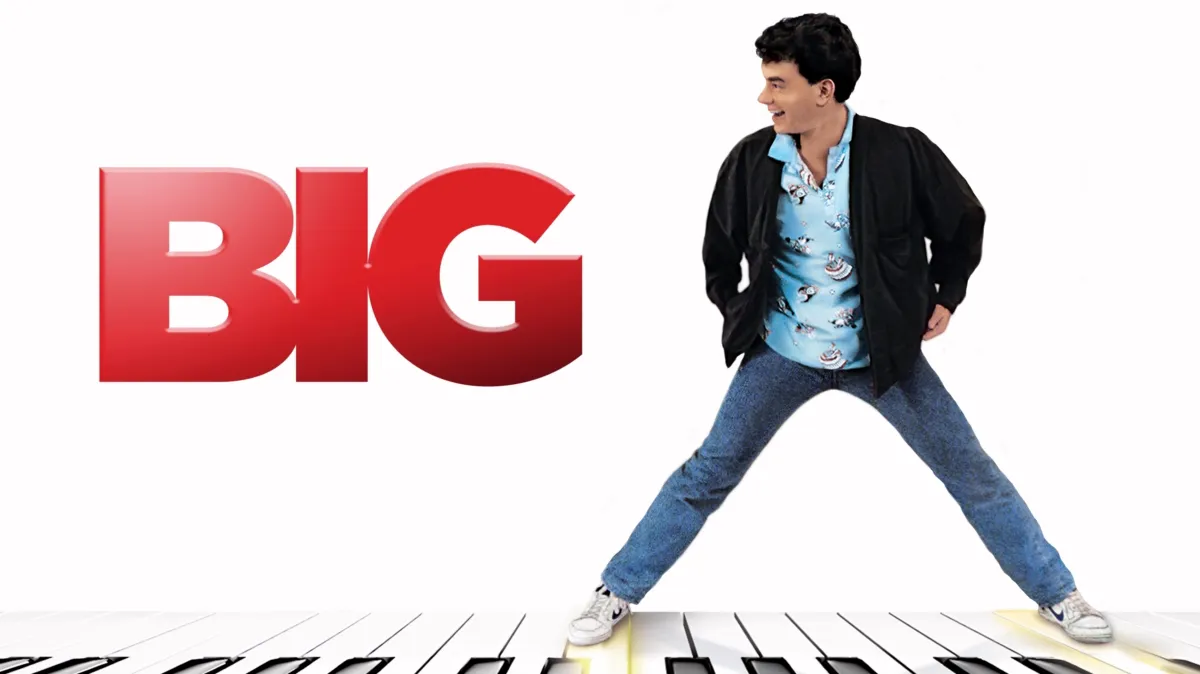
BIG
We watched BIG the other night with the kids (who are 6 and 8 years old) and it was so fun! Especially after recently visiting New York City and the FAO Schwartz with the iconic floor piano.
One of my favorite things about having kids is rewatching film classics… 🫣😍
The film is recommended 12+ which is mainly due to a short romance scene between Josh (Tom Hanks) and Susan (Elizabeth Perkins) but otherwise, the film was totally fine for the kids.
Careless People
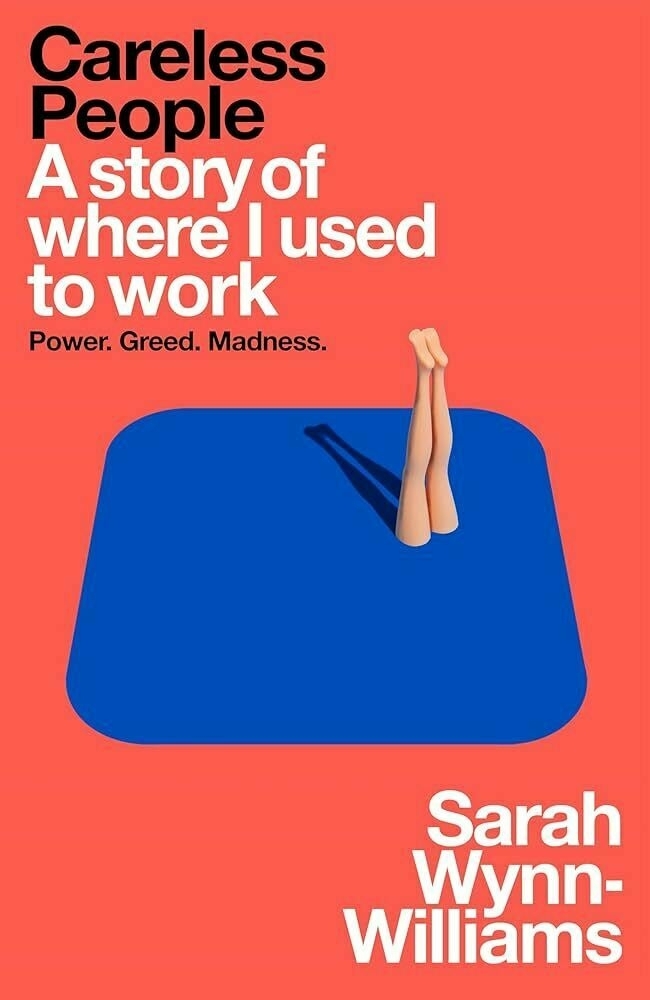
Wow. I’m not a huge reader and I don’t think I’ve ever read a book so fast. 400 pages in 2 days. It was gripping. And terrifying. And surprising - but maybe not so surprising?
The author, Sarah Wynn-Williams worked at Facebook in public policy from 2011 to 2018 and recounts how “very careless” (or should I just say - INSANE!) the top management became, which then led Facebok to be a huge contributing factor to several serious geopolitical crises around the world.
After reading this book, I question if this “careless behavior” is inevitable once you reach an extreme level of power and wealth?
Some quotes I like, but are not nearly enough to sum up the content of the book.
“When you have so many other people doing things for you professionally and personally, you stop taking responsibility for any of it.”
“They apparently didn’t care. These were sins of omission. It wasn’t the things they did; it was the things they didn’t do.”
Vis ta Vie Bordel !
Vis ta Vie Bordel ! is a beautiful and inspiring documentary made by French filmmaker Bastien Laure who takes us through France, Portugal and finally Morocco to explore how people are living in ways that challenge the dominant capitalistic economic system – basically through being more connected to nature and to each other.
This film reengerizes my own desire to continue to explore alternative projects and amibitions. Which is good timing because I have been feeling more defeated/jaded lately and that I just have to accept this system.
We can do better!
Thank you to my sister Angela for this recommendation.
Ce qui nous lie 🍷
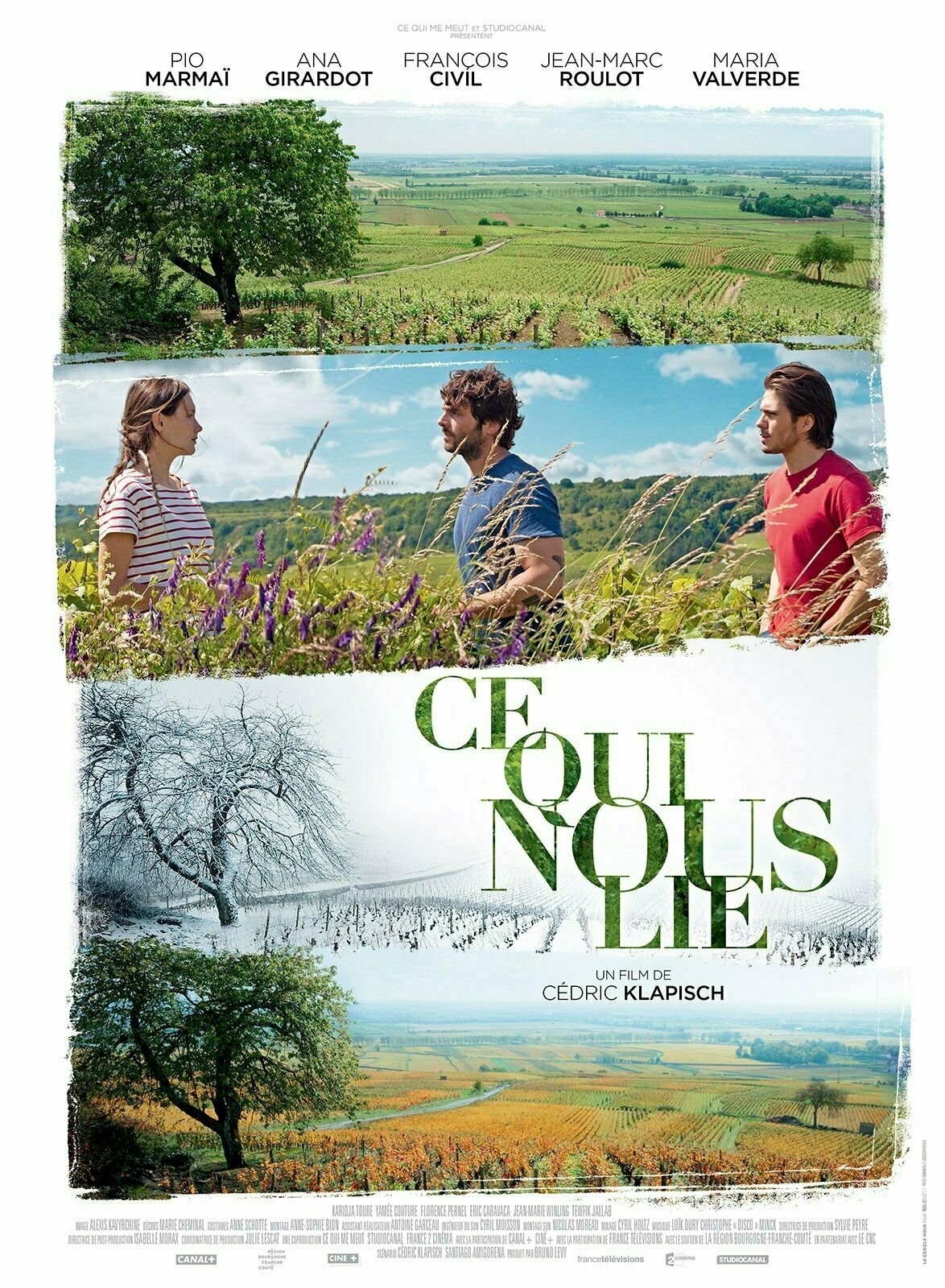
I’m on the train from Rennes to Marseille and I just watched Ce qui nous lie (“Back to Burgundy” in English) - a movie about two brothers and a sister in their 20s and 30s who must manage their vineyard estate following the death of their father. From Cédric Klapisch.
A bit trite at times but I enjoyed it.
Beautiful scenes of the vines and the process of making wine. And some interesting themes about people’s relationship to nature and “la terre” (the land) as well as about the complexity of managing family inheritance and relationships.
« On croit que la terre nous appartient… mais à force de s’en occuper, on réalise qu’on lui appartient un peu aussi. »
We think the earth belongs to us… but the more we take care of it, the more we realize that, in a way, we belong to it too.
« Voilà, c’était ça, notre héritage. Aucun de nous trois n’avait vraiment d’argent et pourtant, tous les trois, on se retrouvait avec des problèmes de riches. »
So that was it, our inheritance. None of us really had any money, and yet all three of us ended up with rich people’s problems.
« L’amour c’est comme le vin : faut du temps. Faut que ça fermente. Le temps, c’est pas que du pourrissement. » Ha!
Love is like wine: it takes time. It needs to ferment. Time isn’t just about decay.
How school assignments are changing (yes yes, another discussion about AI)
The New York Times article “Students Hate Them. Universities Need Them. The Only Real Solution to the A.I. Cheating Crisis.” hits the spot on how AI is propelling educators to change how to evaluate students: less at-home written reports and more in-class, oral, interactive exchanges and discussions.
“…a return to a more conversational, extemporaneous style will make higher education more interpersonal, more improvised and more idiosyncratic, restoring a sense of community to our institutions.”
In my short 3-year experience with teaching, I have already experienced this shift.
In some respects I kind of love it. It forces us as educators to be creative at how to engage the students with social interaction and movement.
But as the article says, this shift to in-class evaluations presents a disadvantage potentially for students that are less extroverted, or need more time to assess and “think deeply” rather than think quickly.
How can we preserve at-home written assignments in a way that encourages the students to step away from AI and really exercise those brain muscles?
I admit I am almost finding it hard myself to write this simple article without referring to ChatGPT to help smooth out the kinks.
But that process of working out the kinks yourself, “forgoing the lazy”, is how the magic happens.
Alanis Morissette
One of the best concerts I’ve ever seen. Is it because she was such a pivotal part of my middle/high school angsty experience? Partly yes. But she is just also an incredible performer and a vocal powerhouse.
I was tearing up from the moment she started singing. She wasn’t even on stage yet.
And I wasn’t the only one.
THANK YOU Alanis. xoxo

Anora
I watched an entire movie last night - from start to finish - for the first time in a very long time. 🎉
Anora may have been criticized for its exaggerated stereotypes and somewhat muddled plot, but the acting was outstanding, especially Mikey Madison’s performance. Overall, it struck a great balance of humor, emotion, and intrigue.
Refreshing to experience quality cinema after being constantly bombarded with endless crap online.

+1 for passive cooking.
My husband @dirtyhenry introduced me to passive cooking for pasta. Not only does it reduce energy use (and in effect CO2 emissions), but it also makes it so much easier to get the pasta perfectly al dente. My pasta has never tasted so good.
The idea is to cook the pasta in boiling water for 2-3 minutes, and then turn off the burner and “passively” let the pasta cook for another 8-10 minutes (depending on the type of pasta).
This technique can obviously be applied to cooking other foods– I do this when I fry my eggs for instance.
Buon appetito.

2 months & 64€
That’s how long & how much it cost to fix the glass of my watch. I was secretly hoping they would fix the straps too (which will cost me another 30€).
I could have bought the same watch brand new for 80€ and delivered the next day.
It’s not crazy that it cost 64€ to fix my watch. There are labor and logistics costs.
But it IS crazy how cheap (and most of the time, cheaper) it is to buy new.
–
We’ve got a ways to go to encourage the circular economy.